The antibiotics ended.
The suffering didn’t.
Crushing fatigue. Brain fog so thick you cannot find words. Joint pain that migrates. Insomnia. Anxiety that came out of nowhere. If you have been told the Lyme is gone but you feel worse than before your diagnosis, your body is still fighting a battle that antibiotics alone were never designed to win.
Book Your AppointmentThe Basics
What Is Chronic Lyme Disease?
Post-Treatment Lyme Disease Syndrome (PTLDS) describes the constellation of symptoms that persist or emerge after standard antibiotic treatment for Lyme disease. It is one of the most underdiagnosed and poorly managed conditions in conventional medicine.
Lyme disease is caused by Borrelia burgdorferi, a spirochete transmitted by tick bites. But the chronic illness that follows a Lyme infection is not simply about bacteria. It is about what the infection does to five interconnected regulatory systems, and the cascade of damage that continues long after the initial pathogen is cleared.
Patients are frequently told their labs are normal and the infection is gone. What that misses is the immune dysregulation, gut devastation, mitochondrial failure, and neuroinflammation that the infection triggered and that continue to drive symptoms independently of active bacterial presence.
Antibiotics address the active infection. They do not repair the gut microbiome they destroy in the process. They do not resolve the neuroinflammation the immune response generated. They do not restore the mitochondrial function the bacterial toxins damaged.
A root-cause approach asks what systems the infection broke, then addresses those systems directly.
Bacterial toxins target nerves, mitochondria, and gut lining simultaneously
Gut, immune, and mitochondrial dysfunction persist without targeted repair
Antibiotics clear the bacteria. Nobody addresses the downstream wreckage.
The Diagnostic Gap
What Did Your Doctor Test?
Standard Lyme tests were designed to confirm active infection. Not to detect what the infection left behind. Tap the test you were given.
The first-line antibody test most Lyme patients receive
Tap to see what it misses →The confirmatory test used after a positive ELISA
Tap to see what it misses →CBC, CMP, and TSH — the routine labs most patients receive
Tap to see what it misses →The ELISA detects antibodies to Borrelia burgdorferi during active infection. It has a false-negative rate of up to 35% even then. Once antibiotics clear the bacterial load, antibody levels drop. A negative ELISA tells you the bacteria appear gone. It tells you nothing about the neuroinflammation, gut damage, or mitochondrial failure that persist independently.
The Western Blot uses a narrow panel of protein bands to confirm Borrelia exposure. It misses many Borrelia strains entirely. More critically, it was never designed as a test for post-treatment illness. A negative result in a symptomatic PTLDS patient does not rule out the condition. It confirms the bacteria are no longer detectable, which is expected after antibiotics.
A CBC, CMP, and TSH do not measure gut permeability, mitochondrial ATP production, HPA axis function, or neuroinflammatory cytokine burden. All of these are expected to appear normal in a post-treatment Lyme patient while they experience debilitating fatigue, brain fog, and joint pain. Normal standard labs is a very different statement from nothing is wrong.
IL-6, TNF-alpha, and hsCRP measuring brain inflammation driving brain fog that no antibody test detects
Mitochondrial function and B-vitamin depletion caused by Borrelia toxins, invisible to ELISA
Heart rate variability to measure ANS dysregulation that persists after bacterial clearance
Zonulin and LPS antibodies measuring intestinal damage caused by antibiotic treatment
Bartonella, Babesia, and Ehrlichia testing since ELISA only tests for Borrelia
Urine mycotoxins to identify mold burden the immune system cannot address while fighting Borrelia
Salivary cortisol across the day to map HPA axis collapse no protein band can detect
Comprehensive stool testing to quantify microbiome devastation from prolonged antibiotic treatment
True B12 status at the cellular level, often depleted by chronic infection but invisible on serum B12
NK cell activity and T-regulatory cell function to detect immune dysregulation driving ongoing inflammation
Methylation gene variants that impair detoxification of bacterial toxins after treatment
Western Blot misses co-infections that compound post-treatment illness significantly
Organic acids and ATP markers explaining fatigue that persists despite normal hemoglobin and iron
Leaky gut markers driving joint pain and brain fog that are completely invisible on a CMP
Glucose tolerance with insulin to detect blood sugar instability HPA axis dysfunction creates between meals
Free T3, reverse T3, and antibodies, not just TSH, to detect Lyme-triggered Hashimoto's
Heavy metal burden saturating detox pathways already overwhelmed by Borrelia toxins
hsCRP and IL-6 to quantify brain inflammation causing cognitive symptoms a CBC will never show
The 5 Shared Mechanisms
Why Chronic Lyme Is a System Failure,
Not Just an Infection?
PTLDS persists not because bacteria are still active, but because the infection triggered a cascade of systemic breakdowns that antibiotics do not address.
Borrelia burgdorferi and co-infections trigger neuroinflammation, direct inflammation of brain and nerve tissue, that persists long after active infection. The resulting sympathetic overdrive explains the characteristic Lyme "wired but tired" experience: a nervous system stuck in threat-response mode, unable to shift into the parasympathetic state needed for rest and repair. Vagal tone loss compounds this, reducing the body's own anti-inflammatory brake system.
Borrelia produces bacterial toxins that directly target mitochondrial membranes. The resulting ATP production failure manifests as the profound, unrelenting fatigue that defines chronic Lyme, a fatigue that does not improve with rest because the cells themselves cannot generate sufficient energy. Oxidative stress from chronic infection further damages mitochondria in a self-perpetuating cycle that continues even when bacterial load is low or absent.
Extended antibiotic treatment devastates the gut microbiome, creating the very conditions that amplify chronic illness. A disrupted microbiome increases intestinal permeability, flooding the bloodstream with inflammatory signals that sustain the cytokine storm responsible for brain fog, joint pain, and systemic malaise. The treatment required to clear the infection creates the gut conditions that perpetuate the symptoms.
HPA axis dysregulation from chronic infection disrupts cortisol patterns, which in turn destabilizes blood sugar regulation. Lyme patients frequently develop reactive hypoglycemia and insulin resistance, not from diet alone, but from the stress-cortisol-glucose dysregulation loop. This creates energy crashes, cognitive impairment between meals, and feeds the systemic inflammation that keeps the immune system hyperactivated.
Lyme does not travel alone. Co-infections, Bartonella, Babesia, Ehrlichia, and opportunistic mold illness, which flourishes when the immune system is distracted, dramatically increase total toxic burden. Each additional pathogen adds to the inflammatory load and cortisol dysregulation. Patients with pre-existing toxic burden, heavy metals, environmental exposures, before contracting Lyme have far more severe and prolonged illness because their detoxification systems are already saturated when the infection hits.
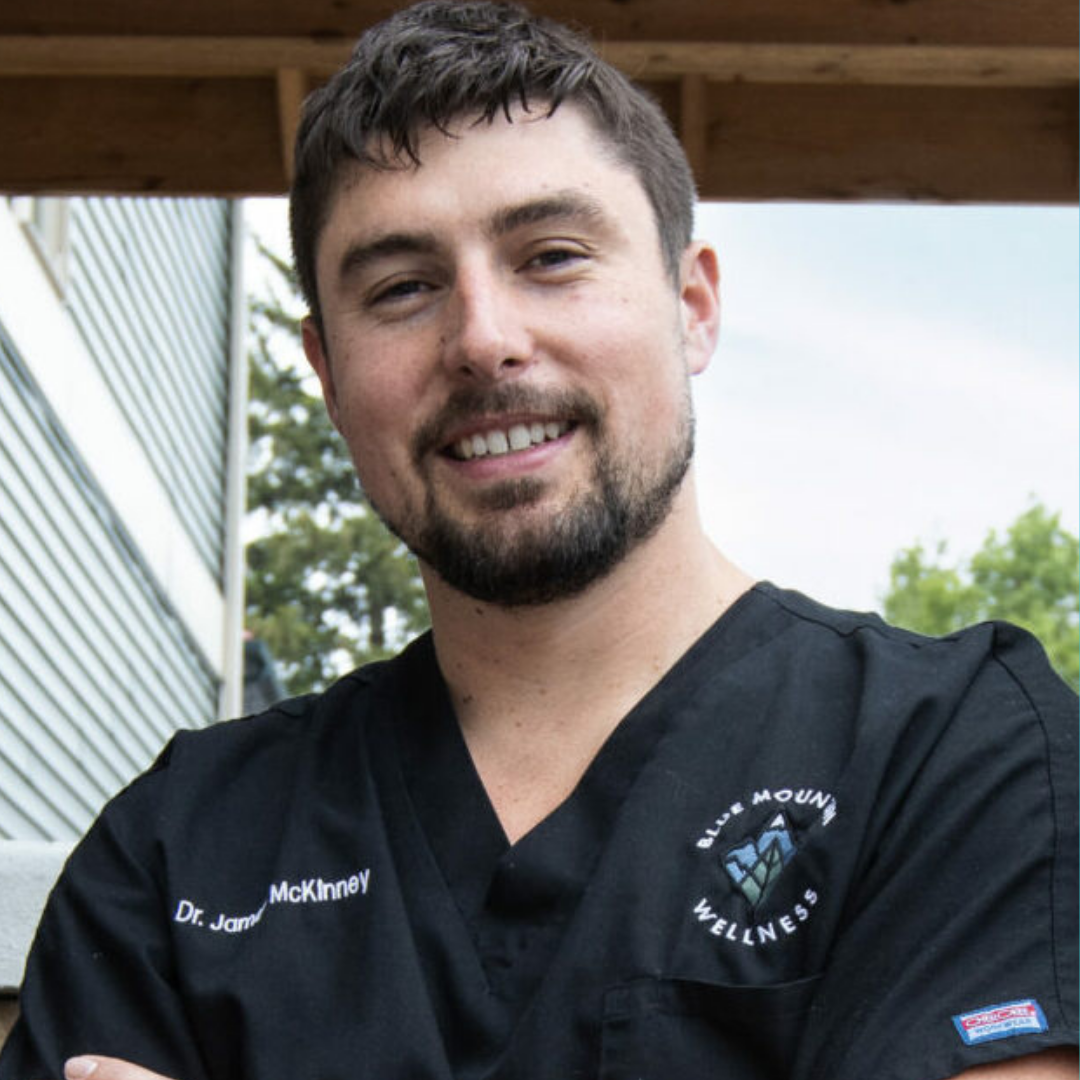
“Lyme patients don’t stay sick because the bacteria won. They stay sick because the infection rewired their immune system, gutted their microbiome, and depleted their mitochondria, and nobody addressed those downstream harms after the antibiotics stopped.”Dr. James McKinney, D.C., Functional Medicine
The Missing Piece
Why Chronic Lyme Is a System Failure,
Not Just an Infection
This is not about criticizing physicians. It is about understanding why a system designed for acute intervention consistently falls short with chronic, root-cause conditions.
“The antibiotics worked. Your infection is cleared. You should feel better.”
Bacterial clearance does not equal system repair. The gut, immune system, and mitochondria do not self-correct after the level of damage a Lyme infection causes.
We assess the five systems the infection damaged: gut integrity, mitochondrial function, neuroinflammatory burden, HPA axis regulation, and toxic load. Then we address them in the correct sequence.
“Your labs are normal. There is nothing more we can do.”
Standard labs are not designed to find post-Lyme system dysfunction. They miss methylmalonic acid, comprehensive gut markers, organic acids, and mitochondrial function indicators.
Run a functional assessment that looks at what standard labs miss. When the right markers are tested, a reversible contributing factor is found in the majority of PTLDS patients.
“Watchful waiting. Let’s see how you feel in six months.”
Six months of watchful waiting is six months of untreated neuroinflammation and gut dysbiosis compounding. The longer these systems run uncorrected, the harder they are to reverse.
Take action. Repair the gut the antibiotics destroyed, restore mitochondrial function, calm the neuroinflammation, and support the detoxification pathways overburdened by infection and treatment alike.
Recognize the Signs
Symptoms Through the Lens of Dysfunction.
Every symptom of chronic Lyme maps directly to one of the five broken systems. Understanding the mechanism changes how recovery is approached.
-
Brain fog and cognitive impairment
Neuroinflammatory cytokines (IL-6, TNF-alpha, IL-1β) cross the blood-brain barrier and directly impair neurotransmitter synthesis and cerebral circulation. This is measurable inflammation, not psychological.
-
Crushing fatigue unresolved by rest
Mitochondrial ATP failure means cells cannot produce energy regardless of sleep. The fatigue is cellular, not motivational. It will not improve until mitochondrial function is restored.
-
Migratory joint pain
Immune complexes depositing in joints, driven by ongoing gut-sourced inflammatory signaling, not necessarily active bacterial presence. Treating the gut reduces this significantly.
-
Anxiety and mood dysregulation
HPA axis disruption simultaneously alters cortisol, norepinephrine, and serotonin. The nervous system is in chronic threat mode. This is physiology, not character.
-
Hypersensitivity to light, sound, and stress
An inflamed nervous system has a dramatically lowered threshold. Stimulation that was previously manageable becomes genuinely overwhelming, not a sign of weakness.
-
Insomnia and non-restorative sleep
HPA dysregulation disrupts the melatonin-cortisol cycle. Without restorative sleep, neuroinflammation cannot be cleared by the glymphatic system, sustaining the brain fog and fatigue cycle.
“The conventional approach after Lyme treatment is watchful waiting. We take action: repair the gut the antibiotics destroyed, restore mitochondrial function, calm the neuroinflammation, and support the detoxification pathways overburdened by infection and treatment alike.”
The Co-infection Factor
Why Lyme Rarely Travels Alone?
Ticks carry an average of 3 to 5 different pathogens simultaneously. A protocol that addresses only Borrelia is almost certainly missing major drivers of ongoing illness.
Associated with psychiatric symptoms, neurological manifestations, and vascular inflammation. Often misdiagnosed as anxiety disorders or psychiatric illness. Requires separate assessment and treatment outside standard Lyme protocols.
A parasitic infection that attacks red blood cells, producing relapsing fever, sweats, and severe fatigue. Antibiotic protocols for Lyme do not treat Babesia, leaving a major inflammatory driver completely unaddressed.
Infects white blood cells and suppresses immune function while simultaneously driving inflammation. Frequently missed on standard tick-borne illness panels, contributing to unexplained immune dysfunction in PTLDS patients.
Cross-Condition Connections
Why Chronic Lyme May Share Roots With Other Conditions?
Patients with chronic Lyme commonly develop peripheral neuropathy, Hashimoto’s thyroiditis, and metabolic dysfunction directly following Lyme infection. This is not coincidence. Lyme disrupts the same five upstream systems that drive those conditions.
Slide left or right to see full details
| Root Mechanism | Chronic Lyme | Neuropathy | Thyroid / Hashimoto’s | Metabolic |
|---|---|---|---|---|
| Nervous System Dysregulation | ✓ | ✓ | ✓ | ✓ |
| Mitochondrial Dysfunction | ✓ | ✓ | ✓ | ✓ |
| Gut Dysfunction & Inflammation | ✓ | ✓ | ✓ | ✓ |
| Blood Sugar Instability | ✓ | ✓ | ✓ | ✓ |
| Chronic Stress & Toxic Load | ✓ | ✓ | ✓ | ✓ |
Lyme-triggered Hashimoto’s is particularly common. Borrelia’s disruption of gut barrier integrity creates the conditions for molecular mimicry, where the immune system begins attacking thyroid tissue it has confused with bacterial proteins. Treating the Lyme without restoring gut integrity leaves this autoimmune process running unchecked.
The McKinney Approach
The Post-Lyme Recovery Protocol: 5 Pillars
Every patient and every program starts here. These five pillars work in concert. Address one without the others and you will plateau. Together, they create the conditions for genuine recovery.
-
01
Comprehensive Functional Assessment
Before anything else, we understand what is actually driving your ongoing symptoms. Gut markers, mitochondrial function, co-infection burden, HPA axis status, toxic load. No more guessing about what to treat first.
-
02
Gut Restoration & Microbiome Repair
The gut is addressed first, before detox, before mitochondrial support, because a leaky gut actively sustains every other downstream problem. High-potency spore-forming probiotics, targeted prebiotics, and intestinal lining repair form the foundation.
-
03
Mitochondrial Function Restoration
Professional-grade CoQ10, PQQ, and phosphatidylcholine matched to your functional markers. Mitochondrial support is sequenced after gut healing because pushing cellular energy production into an inflammatory environment accelerates burnout rather than recovery.
-
04
Neuroinflammation Reduction & Nervous System Recalibration
Targeted supplementation, vagal tone restoration exercises, and circadian rhythm support work together to reduce the cytokine burden in brain tissue and recalibrate the sympathetic-parasympathetic balance that chronic Lyme disrupts.
-
05
Detoxification Support & Toxic Burden Reduction
Liposomal glutathione, binders, and liver support are introduced last, after the gut is healed and inflammation is reduced. Detoxing before the gut is sealed simply recirculates toxins rather than clearing them. Sequencing is everything.
Triggers & Drivers
What Makes Chronic Lyme Worse?
These four environmental and physiological drivers determine whether post-Lyme illness becomes manageable or disabling. Addressing the protocol without addressing these perpetuates the cycle.
Mold illness (CIRS) is found at dramatically elevated rates in Lyme patients. Mycotoxins overwhelm the same detoxification pathways that Lyme toxins use, creating a total toxic burden the body cannot clear. Many patients see no improvement until mold exposure is identified and removed.
Prolonged antibiotic regimens wipe out beneficial microbiota populations that take years to naturally rebuild. Without targeted rehabilitation, the dysbiotic gut continues driving the inflammatory cascade indefinitely after antibiotic treatment ends.
The HPA axis dysregulation caused by Lyme is dramatically worsened by unmanaged stress. Cortisol dysregulation impairs immune regulation, suppresses detox pathways, and accelerates mitochondrial decline. Stress is a physiological driver in PTLDS, not just a mental state.
The melatonin-cortisol-immune regulation cycle depends on consistent sleep. Lyme patients with disrupted sleep lose the key window for neuroinflammation resolution that only occurs during deep sleep phases, sustaining the brain fog and fatigue cycle.
Self-Care Protocols
What You Can Start Today?
These four levers target the mechanisms sustaining post-Lyme illness. They will not replace a structured protocol, but they reduce the burden on an already overwhelmed system while you build toward deeper healing.
Eliminate gluten, dairy, and refined sugar, the three foods most likely to sustain leaky gut and inflammatory cytokine production. Prioritize anti-inflammatory fats. Your gut microbiome needs diverse fiber, but start slowly to avoid worsening dysbiosis symptoms.
The glymphatic system, the brain's waste-clearance network, operates almost exclusively during deep sleep and flushes neuroinflammatory byproducts. Dark room, cool temperature, consistent bedtime, no screens after 9 p.m. Even 30 extra minutes matters.
Cold water face immersion (60 seconds), slow paced breathing (5 breaths per minute), and gentle movement like walking in nature activate the parasympathetic nervous system. This is neurological medicine for a dysregulated ANS, not relaxation advice.
High-potency spore-forming probiotics to begin gut microbiome restoration. CoQ10 and PQQ for mitochondrial support. Liposomal glutathione for toxic burden reduction. Sequencing matters. Gut healing must come first.
An honest caveat: Self-care builds the foundation. But for most people with chronic Lyme or PTLDS, it is not enough on its own. Co-infections need to be assessed. Mold exposure needs to be evaluated. The HPA axis and mitochondrial function require targeted, staged intervention. DIY approaches frequently get the sequencing wrong, trying to detox before the gut is healed, or pushing mitochondria before inflammation is reduced. That is where a structured protocol makes the critical difference.
Common Questions
Questions I Hear Every Day
-
Bacterial clearance does not equal system repair. The infection damages the gut, depletes mitochondria, triggers neuroinflammation, and dysregulates the HPA axis. None of those resolve on their own after the bacteria are gone. The symptoms you are experiencing are real physiological dysfunction, not imagination or anxiety.
-
The program is designed for people with moderate to severe post-Lyme presentations. More severe cases often require more careful sequencing and monitoring, which is exactly what the structured protocol provides.
-
Most patients notice meaningful changes in energy and cognitive clarity within 6 to 10 weeks of beginning gut restoration and mitochondrial support. Neuroinflammation reduction takes longer, typically 3 to 6 months. Full recovery from chronic Lyme is measured in months, not weeks, and progress is not always linear.
-
Sequencing is almost always the reason supplements fail in PTLDS. Taking high-dose glutathione before the gut is healed, or pushing mitochondrial support into an actively inflamed system, can worsen symptoms. The protocol is built around the correct order of intervention, not just the correct ingredients.
-
Duration of illness does not determine outcome. Patients who have been symptomatic for 5, 10, even 15 years have seen meaningful improvement once the underlying system dysfunction is properly addressed and sequenced. The key is identifying which systems are most depleted and starting there.
Ready to Go Deeper?
A Protocol Built Around Your Pattern, Not Your Diagnosis.
Post-Lyme illness involves all five root mechanisms operating simultaneously. Real recovery requires knowing which systems are most depleted, in what order to address them, and how to support detoxification without making symptoms worse.
A structured protocol built around your specific pattern. Objective testing, sequenced interventions, and a practitioner who adjusts based on how you respond. In person in Pennsylvania or online nationwide.
Book Your Appointment