Understanding Peripheral Neuropathy
Causes, Symptoms & Recovery
Over 20 million Americans have been told their peripheral neuropathy is permanent. Most were given a prescription and sent home. This page exists to show you what they did not.
The Basics
What Is Peripheral Neuropathy?
Peripheral neuropathy is damage or dysfunction of the peripheral nervous system, the vast network of nerves that carries signals between your brain, spinal cord, and the rest of your body.
When these nerves are damaged, the communication breaks down. Pain that should not be there. Numbness where you should feel. Weakness in muscles that should move. Balance problems that should not exist.
Your body's wiring is misfiring, and every symptom you feel is a signal, not a sentence. What doctors often miss: most peripheral neuropathy is not idiopathic. When a thorough functional workup is done, a reversible root cause is found in the majority of patients.
The peripheral nervous system has a remarkable capacity for regeneration. Unlike central nervous system neurons, peripheral nerve fibers can and do regrow at roughly 1 millimeter per day under the right conditions. The goal of treatment is to create those conditions.
Recognize the Signs
Common Symptoms of Peripheral Neuropathy
Root Causes
What Actually Causes Neuropathy?
There are over 100 known causes of peripheral neuropathy. The most common ones are also the most under-investigated. Here's what I look for in every patient, the causes that are most often missed, most often reversible, and most often ignored by conventional medicine.
B12 deficiency is one of the most common and most missed causes of peripheral neuropathy, especially in patients on metformin, proton pump inhibitors, or plant-based diets. B6, folate, thiamine (B1), and vitamin D are also critical for nerve health. A standard blood panel misses most of these deficiencies because it tests total B12, not bioavailable B12. I run methylmalonic acid and homocysteine alongside comprehensive nutritional panels to see what is actually getting to your nerves.
Diabetic neuropathy accounts for approximately 70% of all neuropathy cases. But the damage starts long before a diabetes diagnosis, in the pre-diabetic and insulin-resistant phase. Chronically elevated blood sugar damages the small blood vessels that feed nerves and causes glycation of nerve proteins. Even in established diabetic neuropathy, aggressive metabolic management and targeted nutritional support can halt progression and in many cases improve nerve function.
Heavy metals such as mercury, lead, and arsenic are neurotoxic and cause dose-dependent nerve damage. Chemotherapy-induced peripheral neuropathy is one of the most common and devastating side effects of cancer treatment. Alcohol, solvents, and certain medications including statins, fluoroquinolone antibiotics, and metronidazole are also well-documented nerve toxins. These are rarely screened for. When we find them, there are specific interventions to support clearance and nerve repair.
Rheumatoid arthritis, lupus, Sjogren's syndrome, and Guillain-Barre syndrome all involve immune-mediated nerve damage. Celiac disease causes neuropathy in a significant percentage of patients, often before GI symptoms appear. Chronic low-grade systemic inflammation, even without a clear autoimmune diagnosis, damages the myelin sheath that insulates nerve fibers. Anti-inflammatory nutritional strategies are central to every protocol I build.
Nerves require a continuous supply of oxygenated blood via tiny capillaries called vasa nervorum. When those vessels are compromised by diabetes, smoking, hypertension, or generalized vascular disease, the nerve starves. Improving peripheral microcirculation is one of the most reliable interventions in neuropathy care. Specific nutrients including alpha-lipoic acid, acetyl-L-carnitine, and benfotiamine, along with targeted movement protocols, directly address this mechanism.
Herniated discs, spinal stenosis, tarsal tunnel syndrome, and chronic postural compression can all cause or significantly worsen neuropathy symptoms. When a nerve is mechanically compressed, nutritional support alone will not resolve it. The structural component must be addressed, which is where chiropractic and spinal decompression fit into the overall protocol. Many patients improve dramatically once the compression is relieved and the nerve gets proper blood supply again.
The Missing Piece
Why Conventional Medicine Fails Neuropathy Patients?
This is not about criticizing physicians. It is about understanding why a system designed for acute intervention consistently falls short with chronic, root-cause conditions.
"The patients who made the most remarkable recoveries were the ones who stopped waiting for permission to get better, and started building the conditions for it."
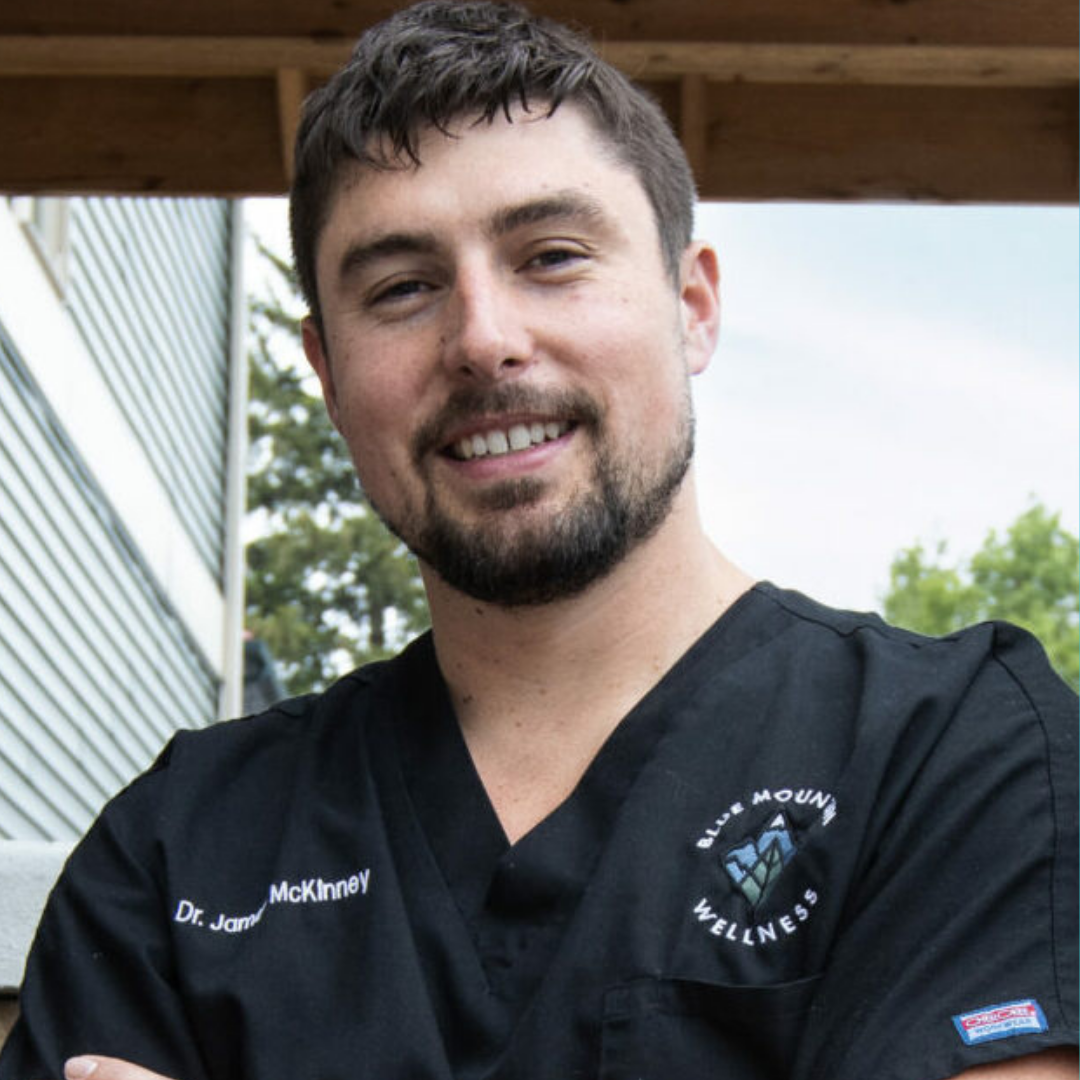
The McKinney Approach
The Nerve Recovery Protocol: 5 Pillars
Every patient and every program starts here. These five pillars work in concert. Address one without the others and you will plateau. Together, they create the conditions for genuine nerve recovery.
Common Questions
Questions I Hear Every Day
In many cases, yes, particularly when the root cause is identified and addressed. Small fiber neuropathy, nutritional deficiency neuropathy, and early-stage diabetic neuropathy have the strongest evidence for improvement. Even in more advanced cases, halting progression and improving function is achievable. The key is identifying what is driving the damage and removing that driver while supporting regeneration.
The online program is built around education, assessment, and protocol delivery. It is appropriate for mild to moderate cases and for patients who want to support an in-person treatment plan. Severe cases, especially those with significant motor involvement or rapid progression, should include in-person clinical management. I will be honest with you about this during intake.
Peripheral nerve regeneration is measured in millimeters per day. It is not fast, but it is consistent when the protocol is followed. Most patients notice meaningful improvement in 3 to 6 months with a comprehensive approach. Some see changes in energy, inflammation, and sleep within the first 4 to 8 weeks as the nutritional and anti-inflammatory interventions take effect. Patience and consistency are essential.
Because generic supplement stacks do not work. Most OTC B12 products use cyanocobalamin, the least bioavailable form. Most alpha-lipoic acid products use the racemic mixture instead of the more potent R-form. Dosing matters. Cofactors matter. And if your deficiency pattern is not properly assessed, you are guessing. The Nerve Recovery Protocol uses professional-grade Xymogen products at therapeutic doses, matched to your specific assessment findings.
This program is complementary, not a replacement for your current medication without medical supervision. Many patients are on gabapentin or pregabalin. As nerve function improves, some work with their prescribing physician to reduce dosage. I will never advise you to stop a medication, but I will build a protocol that supports your nervous system whether you are on medication or not. Please inform your prescribing physician that you are adding a functional medicine protocol.
Your Nerves Can Heal.
Start with the free Neuropathy Self-Assessment Guide, a clinical tool that helps you identify your root cause pattern and next steps.